You do not have to save downtown life for the weekend in St. Petersburg. In the city core, everyday routines can include a waterfront walk, an easy coffee run, a museum stop, or dinner along Central Avenue or Beach Drive. If you are wondering what it really feels like to live in downtown St. Pete, this guide will help you picture the pace, housing style, and day-to-day convenience so you can decide if it fits the way you want to live. Let’s dive in.
Downtown St. Pete at a Glance
Downtown St. Petersburg feels more like a true urban waterfront center than a single main street. The area is described as pedestrian-friendly, with waterfront parks, historic architecture, shops, galleries, and several distinct districts.
That mix matters because St. Petersburg is not a tiny beach town. With about 264,033 residents, the city has the scale to support a steady mix of dining, arts, services, and events that shape daily life downtown.
Downtown Districts Shape Daily Life
One of the best ways to understand everyday living in downtown St. Petersburg is to look at its districts. Each one brings a slightly different feel, which gives downtown more variety than many buyers expect.
Waterfront Arts District
The Waterfront Arts District blends culture, green space, and the bayfront. This area includes major museums, performing arts venues, waterfront parks, shopping, dining, and nightlife.
If you picture stepping out for a walk with water views and having cultural destinations nearby, this is a big part of downtown’s appeal. It is one reason many buyers see the area as more than just a place to sleep between workdays.
Central Arts District
The Central Arts District is known for local restaurants, bars, breweries, galleries, performance venues, boutiques, and public art. It tends to feel active and creative, with a strong mix of places to meet friends, explore local businesses, or spend a casual evening.
For many residents, this district adds energy to the week without requiring much planning. You can enjoy a more spontaneous lifestyle when so much is close together.
EDGE District
The EDGE District is described as easy to stroll, with eateries, pubs, shops, boutiques, murals, and historic buildings. It offers another layer of walkable city living, especially for people who want character and convenience in the same setting.
This district helps show why downtown does not feel one-note. Even short walks can take you through different streetscapes and experiences.
Waterfront Parks Become Part of Your Routine
A major quality-of-life advantage downtown is the park system. The city has more than 2,500 acres of parks, including 7 miles of waterfront parks along downtown St. Petersburg.
That is not just nice scenery. It changes how people use their time, whether that means morning walks, bike rides, dog walks, playground visits, or time outdoors after work.
Parks You Will Notice Often
Several public spaces shape the rhythm of downtown living:
- Vinoy Park is a large open park that often hosts concerts and other major events.
- South Straub Park offers recreation trails, bay views, and event space.
- North Straub Park sits near restaurants and shops and often hosts food festivals and art fairs.
- Demens Landing Park is a popular stroll or bike destination with water views and a boat ramp.
- Williams Park functions as downtown’s urban square and includes a bandshell used for civic events.
If you are comparing downtown St. Pete with more suburban parts of Pinellas, this is a key difference. Outdoor space here is often public, scenic, and woven into the neighborhood rather than centered on private yards.
The St. Pete Pier Adds Everyday Convenience
The St. Pete Pier is not just a visitor stop. The city describes the 26-acre Pier as a place for strolling, biking, dining, drinking, shopping, swimming, and concerts, with a marketplace and educational spaces.
For residents, that means the Pier can become part of ordinary life. You might head there for a walk, meet friends for a casual outing, or spend part of a weekend without needing a big plan.
The Pier also includes more than 500 on-site parking spaces and bike parking. That supports a lifestyle where you can move between downtown destinations in a flexible way.
Weekends Have a Built-In Rhythm
One of downtown’s most established routines is the Saturday Morning Market. It runs every Saturday from October to May, from 9 a.m. to 2 p.m., in the Al Lang Stadium parking lot.
From June to August, a smaller summer market runs at Williams Park from 9 a.m. to 1 p.m. The market highlights local produce, ready-to-eat food, artisan goods, and live music, which gives many residents a regular weekend tradition close to home.
Arts and Culture Stay Close By
Downtown St. Petersburg has an unusually concentrated arts scene for a mid-sized Florida city. The downtown guide places the Dalí Museum, Museum of Fine Arts, Museum of History, and the James Museum in the Waterfront Arts District, along with venues like the Mahaffey Theater, the Palladium, and American Stage.
That concentration changes what everyday life can look like. Instead of needing a special trip for culture, you have access to museums, performances, and festivals right in the downtown core.
Major Cultural Anchors
These institutions help define downtown living:
- The Dalí Museum is open daily and includes extended Thursday hours.
- The Museum of Fine Arts houses more than 20,000 objects spanning nearly 5,000 years.
- The James Museum includes more than 400 works across 26,000 square feet of gallery space.
- The Mahaffey Theater, the Palladium, and American Stage all strengthen the downtown performance calendar.
If you enjoy having places to go that are interesting, walkable, and woven into daily life, downtown St. Pete stands out.
Dining Is Spread Across Key Corridors
Downtown dining is less about one single restaurant row and more about a strong concentration across several areas. The main dining and shopping corridors include Central Avenue, Beach Drive, Sundial, and the Pier.
Central Avenue is widely recognized for its restaurant scene, while Beach Drive brings a more waterfront dining experience. For residents, that variety supports both quick everyday outings and more social evenings close to home.
Getting Around Is Easier Than Many Expect
A big reason people choose downtown St. Pete is convenience. The downtown guide describes the area as pedestrian-friendly, and there are more than 25,000 parking spaces throughout downtown.
The city also notes bike-share and scooter coverage across the area. If you like the idea of using your car less often, downtown offers more options than many nearby neighborhoods.
Free Transit Options Downtown
Public transportation adds another layer of convenience:
- The Downtown Looper is free, runs 7 days a week, and arrives every 15 to 20 minutes.
- It connects places like the Pier, Vinoy, the museum district, the Saturday Morning Market, USF St. Petersburg, Johns Hopkins All Children’s, and Bayfront Health.
- The Central Avenue Trolley is free between Grand Central Station and the St. Pete Pier.
- The SunRunner connects downtown with Central Avenue business districts, Pasadena, and St. Pete Beach.
For relocating buyers, this is one of the easiest ways to understand the lifestyle. Downtown can support a more walkable, car-light routine, especially if your priorities are access, convenience, and activity.
What Housing Looks Like Downtown
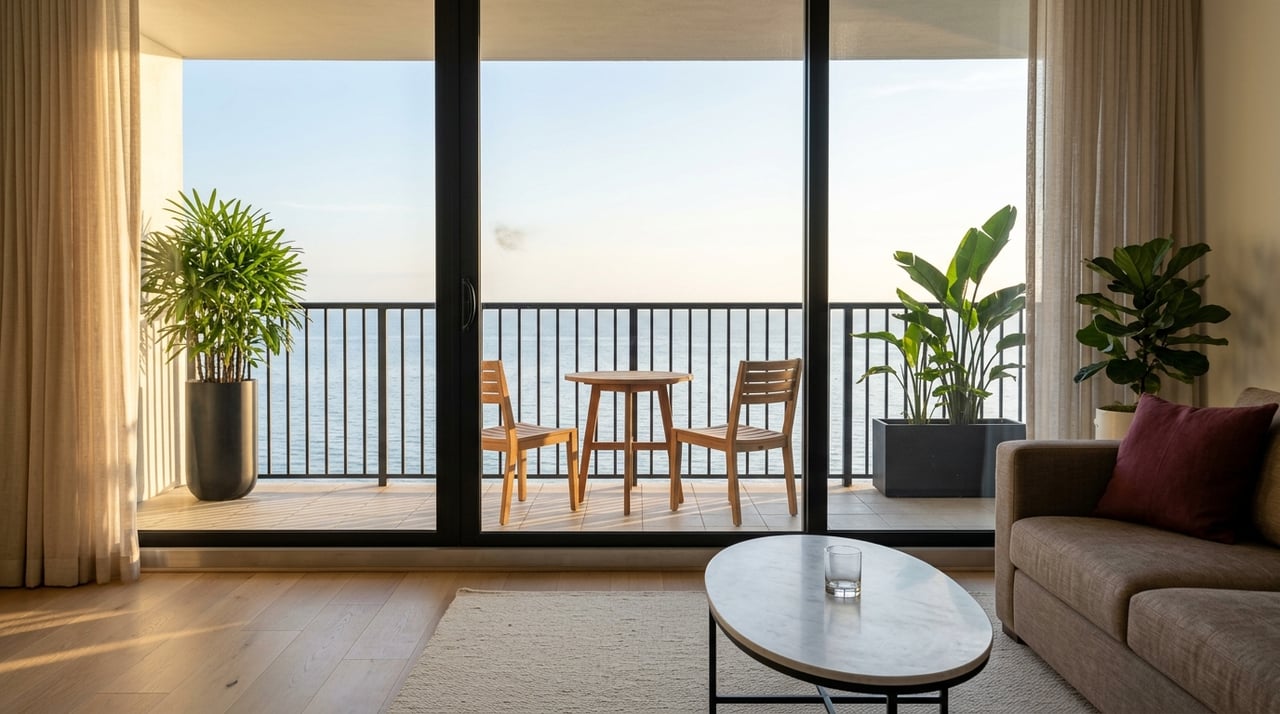
Housing in downtown St. Petersburg tends to match the urban-coastal setting. Based on the city’s zoning pattern and development structure, downtown living is centered more on condos, apartments, loft-style units, and mixed-use residences than on traditional detached single-family homes in the immediate core.
That usually means a more low-maintenance lifestyle. It can also mean HOA dues, building rules, parking considerations, and a more vertical living environment than you would find in many suburban Pinellas neighborhoods.
What Buyers Should Keep in Mind
Downtown can be a strong fit if you want:
- Walkability and easy access to daily destinations
- Close proximity to parks, arts, dining, and events
- A condo or mixed-use lifestyle with less exterior upkeep
- A more urban setting with bayfront access
It may be less ideal if you want:
- A larger lot
- A quieter detached-home setting in the immediate core
- More separation from events and activity
This is why downtown St. Pete often appeals to relocating professionals, downsizers, second-home buyers, and people who value convenience and lifestyle access.
Coastal Living Requires Practical Planning
Living near the water brings a certain appeal, but it also comes with planning responsibilities. The City of St. Petersburg’s Office of Emergency Management encourages residents and visitors to prepare for hurricanes and other disasters through official preparedness, planning, and recovery resources.
For buyers, this is an important part of the decision-making process. If downtown living is on your list, it helps to think through building policies, parking, storm preparation, and the details that come with a coastal property.
Is Downtown St. Petersburg Right for You?
Downtown St. Petersburg is best described as low-maintenance urban-coastal living. You get strong access to parks, arts, dining, transit, and waterfront views, all in a setting that supports a more active and connected routine.
If you want a neighborhood where you can walk more, drive less, and enjoy a full calendar close to home, downtown may feel like a natural fit. If you want more land or a quieter detached-home environment, you may want to explore areas just outside the immediate core.
When you are comparing options in St. Petersburg, the biggest question is not whether downtown is popular. It is whether the day-to-day lifestyle matches how you actually want to live.
If you are considering a move to downtown St. Petersburg or want help comparing it with other Tampa Bay neighborhoods, KT Tershowski can help you sort through the details and find the right fit for your goals.
FAQs
What is everyday life like in downtown St. Petersburg?
- Everyday life in downtown St. Petersburg often includes walkable access to waterfront parks, dining, arts venues, shopping, events, and free transit options.
What types of homes are common in downtown St. Petersburg?
- Downtown St. Petersburg is generally centered on condos, apartments, loft-style homes, and mixed-use residences rather than many detached single-family homes in the immediate core.
Is downtown St. Petersburg walkable?
- Yes. Downtown St. Petersburg is described as pedestrian-friendly and also offers bike-share, scooters, free trolley service, and the free Downtown Looper.
What parks are in downtown St. Petersburg?
- Downtown includes parks such as Vinoy Park, North Straub Park, South Straub Park, Demens Landing Park, Albert Whitted Park, and Williams Park.
What is the Saturday Morning Market schedule in downtown St. Petersburg?
- The Saturday Morning Market runs from October to May on Saturdays from 9 a.m. to 2 p.m. at the Al Lang Stadium parking lot, with a smaller summer market from June to August at Williams Park from 9 a.m. to 1 p.m.
Who is downtown St. Petersburg best suited for?
- Downtown St. Petersburg may be a strong fit for relocating professionals, downsizers, second-home buyers, and anyone looking for a walkable, event-filled, waterfront lifestyle.