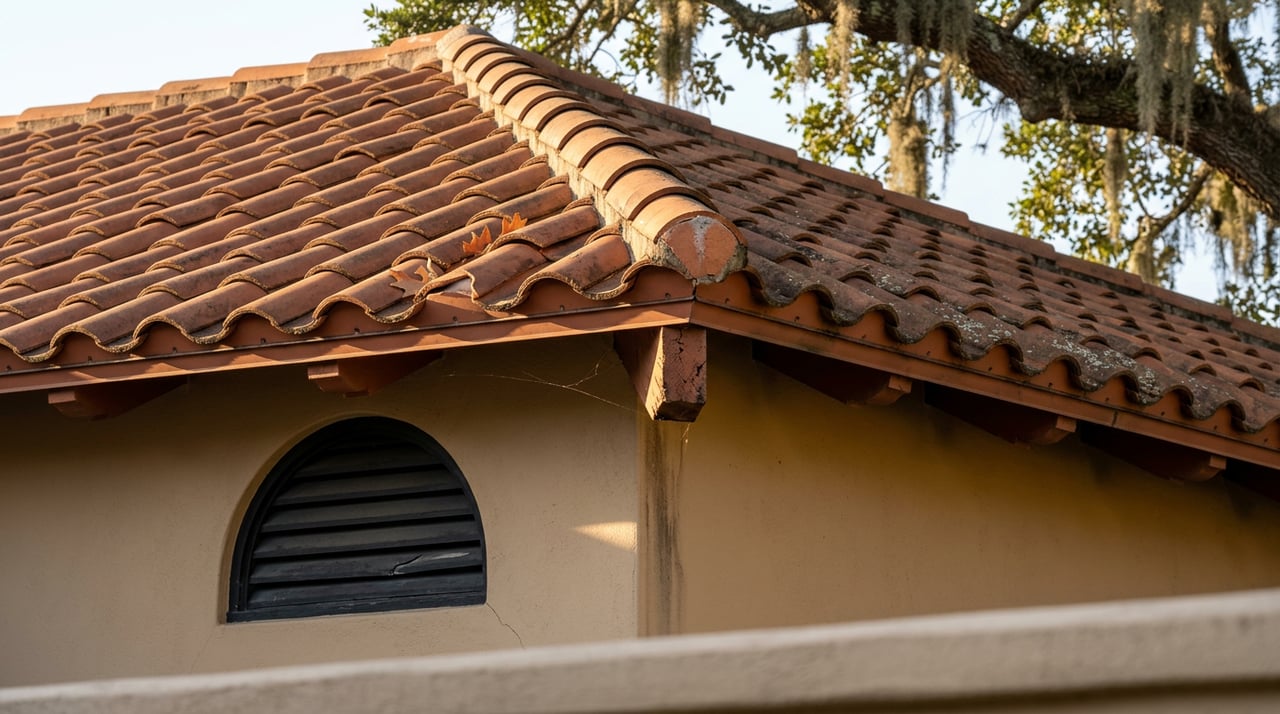
Most sellers in Hyde Park or Seminole Heights assume the inspection process works the way it does everywhere else: one inspector walks through, writes a report, and the punch list becomes the to-do list before closing. In Tampa's historic core, that assumption is only half true. A roof, an electrical panel, or a run of old plumbing in one of these neighborhoods can answer to two separate reviewers who are not evaluating the same thing at all. One cares whether the system still works. The other cares whether it still looks right. They rarely give you the same instructions.
That gap matters more than it sounds like it should, because the homes it affects are not the exception in this market. They are close to the rule.
The Insurance Company's Checklist Comes First
Before a new carrier will write a policy on an older home in Florida, most require what's called a 4-point inspection: a limited review of the roof, electrical system, plumbing, and HVAC. Any home 40 years or older will almost certainly need one before a new carrier will write the policy, and at 30 years, most companies already require it. Citizens still holds to a hard 20-year threshold in some cases, though that once-universal cutoff has loosened as more carriers soften their underwriting. Locally, four-point inspections in Pinellas and Tampa are required by Citizens Insurance once a house passes 25 years old.
For a 1925 bungalow in Old Hyde Park or a 1930s Craftsman in Old Seminole Heights, off Nebraska Avenue, that threshold isn't a distant milestone. It was crossed decades ago.
The inspection itself is quick and narrow. It is not a home inspection, and it does not evaluate cosmetic condition or code compliance beyond what's visible in those four systems. What it does flag, consistently, are a handful of specific things: panel type and wiring material, since homes with Federal Pacific or Zinsco panels, or aluminum wiring, may be denied coverage outright, and polybutylene pipe, which is a red flag for most insurers regardless of how well it's held up. Roof age gets weighed the same way. It doesn't matter that a 1928 clay tile roof was built to outlast three asphalt reroofs. If it's past the age a given carrier is comfortable with, it gets flagged the same as any other aging roof.
If you're scheduling a home inspection anyway, it's worth having the inspector run wind mitigation at the same visit. Ordering both together typically costs less than paying for two standalone inspections, and the wind mitigation report is what unlocks the premium credits for hip roofs, hurricane straps, and roof-to-wall connections that make an older home more affordable to insure once it clears the 4-point.
Why This Isn't a Rare Problem in Tampa
Here's the part that changes how you should think about this. This isn't a quirk that only touches a handful of century-old bungalows. A recent analysis found that over half of Tampa homes purchased in 2024 were built before 1995, which means the 4-point conversation is the default, not the exception, for most buyers moving through this market. Citizens has become something of a safety net for these older homes, stepping in when other insurers decline coverage or price it out of reach.
If you're selling in Hyde Park, Seminole Heights, or Tampa Heights, you are very likely selling to a buyer who will run into this inspection regardless of what your own policy looks like. Knowing the likely results before you list means fewer surprises land in the middle of someone else's underwriting timeline.
The Second Reviewer Nobody Mentions
Here's where it gets specific to this part of Tampa. If your home sits inside certain historic district boundaries, a second approval layer exists that has nothing to do with insurance and everything to do with appearance.
The Hyde Park Historic District, bounded roughly by Kennedy Boulevard, Bayshore Boulevard, Howard Avenue, and Bay-to-Bay Boulevard, requires Architectural Review Commission approval for any visible roof change. Step just north of Kennedy into Hyde Park North, and the mid-century homes and pre-war bungalows there face less ARC restriction, though the same architectural sensitivity still applies. Cross into SoHo, between Bayshore and Howard, and you're dealing with premium 1920s homes that often still carry their original clay tile or slate roofs. Old Seminole Heights, the original core of the neighborhood, sits under its own active historic preservation efforts built around its 1920s-1940s Craftsman bungalows, so the same instinct to check before you act applies there too, even where the specific review rules differ from Hyde Park's.
None of this shows up on a 4-point inspection form. It shows up when you try to act on what that form told you to fix.
Where the Two Systems Collide
Here's the friction point that catches sellers off guard, because it sits at the exact intersection of these two review processes: the roof.
Say your 4-point inspection flags a 1940s roof as beyond its useful life. The insurer doesn't care what it's made of, only that it's old and getting older. Your fastest, cheapest path to a clean policy is a straightforward asphalt shingle reroof. But if your home sits inside the Hyde Park Historic District, or on one of SoHo's original clay tile streets, an asphalt reroof may not be what the Architectural Review Commission wants to see on a home built to carry tile or slate. The insurer's timeline and the historic district's standards are not pulling in the same direction, and the cost difference between satisfying one versus the other is not small:
| Roof Material | Typical Cost for an Average Hyde Park Home |
|---|---|
| Asphalt shingle | $9,500 to $18,000 |
| Metal | $22,000 to $38,000 |
| Clay tile | $24,000 to $65,000 or more |
These ranges reflect roof replacement costs for an average-sized Hyde Park home, with tile running highest due to the material and the specialty labor original 1920s Mediterranean roofs require.
A seller who assumes "reroof" means the cheapest option on that table can end up choosing a material the ARC would reject on a visible elevation, then paying for the work twice. A seller who assumes historic material is always required, even outside the strict district boundary, can end up spending far more than necessary on a home in Hyde Park North or a less restricted pocket of Seminole Heights where that standard doesn't apply.
The fix isn't complicated once you know to look for it. It's simply knowing which conversation to have first: check whether your address sits inside a district boundary with material requirements before you get a roofing quote based only on what the insurer wants to see.
What This Means for Timing a Sale
If you're preparing to list a historic Tampa home, or you're under contract to buy one, a few things are worth doing in order rather than in parallel:
- Find out your home's exact age and check it against your target carrier's 4-point threshold before you list, not after an offer comes in.
- Schedule the 4-point and wind mitigation inspections together to save on cost and get a complete picture of what's likely to come up during the buyer's own insurance process.
- If your address falls inside a historic district boundary, confirm what exterior standards apply before choosing roofing or plumbing materials to fix an insurance flag. What satisfies a carrier may not satisfy the district, and the reverse is also true.
- Ask about Ordinance or Law coverage if your policy doesn't already include it. It helps cover the cost of bringing an older home up to current building codes after a covered loss, which matters more in a home that was built long before those codes existed.
None of this changes the character that makes these neighborhoods worth buying into in the first place. It just means the path to closing runs through two approvals instead of one, and knowing that going in is the difference between a smooth thirty days and a stalled one.
A Few Questions Sellers Ask
Does every home in a historic Tampa neighborhood need a 4-point inspection? Only if it's crossed the age threshold your buyer's insurer applies, which for most carriers falls between 20 and 30 years, with Citizens generally landing around 25 years locally. Given how much of Tampa's housing stock was built before the 1990s, most homes in these neighborhoods will need one.
Is Hyde Park North subject to the same historic review as the Hyde Park Historic District? No. The core historic district, bounded by Kennedy Boulevard, Bayshore Boulevard, Howard Avenue, and Bay-to-Bay Boulevard, carries the strictest review for visible changes. Hyde Park North sits under lighter restriction, though the architectural character of the block still matters to buyers and to resale value.
Can I sell before fixing everything a 4-point inspection flags? Often, yes. Many sellers disclose known conditions and let the buyer's insurance process run its course rather than fixing everything preemptively. The market has loosened somewhat in 2026, with more carriers accepting older roofs under limited or actual cash value endorsements. The one thing worth avoiding is finding out about a Federal Pacific panel or a failed roof for the first time during someone else's underwriting process.
If you're weighing a sale in Hyde Park, Seminole Heights, or Tampa Heights and want to walk through what your specific address is up against before you list, KT Tershowski has spent years working through exactly this kind of local detail with Tampa Bay sellers. Let's Connect and figure out your timeline before a buyer's insurance company does it for you.