Wondering if Tampa is all beaches and sunshine, or if daily life here feels more like a real working city? The truth is, Tampa blends both. If you are thinking about moving, relocating within the area, or just trying to decide whether the city fits your lifestyle, this guide will help you understand what everyday living in Tampa actually looks like. Let’s dive in.
Tampa at a Glance
Tampa feels like a regional hub with a strong waterfront lifestyle. The city has about 413,554 residents, while Hillsborough County has about 1.57 million, so you get access to a large metro feel with many distinct local areas. That mix gives Tampa both city energy and a more neighborhood-based rhythm.
It is also a diverse city. About 28.3% of Tampa residents speak a language other than English at home, and 19.4% of residents are foreign-born. In everyday life, that shows up in the city’s food, local businesses, cultural events, and overall sense of place.
Daily Life in Tampa
One of the best ways to understand Tampa is to think about how your week would actually unfold. Your experience can feel very different depending on where you live, where you work, and how often you want to be near the urban core. In many ways, Tampa is a city where your neighborhood choice shapes your routine.
Housing patterns help explain that feel. The owner-occupied rate is 50.3%, the median owner-occupied home value is $420,400, and the median gross rent is $1,701. That mix of owners and renters helps create a city that feels more urban in some areas and more residential in others.
Commute and Getting Around
If you are moving to Tampa, commuting is one of the biggest quality-of-life factors to think through. Tampa’s mean commute time is 24.8 minutes, while Hillsborough County’s mean commute time is 28.8 minutes. In simple terms, living closer to your daily destinations can make a noticeable difference.
The city’s mobility strategy focuses on connecting major hubs like Westshore, Downtown, and the University Area/Innovative District. These are important parts of the city’s daily flow, especially for people whose routines center on work, errands, and entertainment in those areas. If you expect to travel across town often, planning around those hubs matters.
Tampa is still largely a driving city for day-to-day life. That said, there are useful transit options in certain corridors. HART covers roughly 1,000 square miles and offers 27 local bus routes, 4 limited express routes, and 2 HARTFlex routes.
For specific trips, transit can be practical. Route 30 runs between downtown and Tampa International Airport every 30 minutes, and the TECO Line Streetcar is a free 2.7-mile line with 11 stations connecting downtown, the Channel District, and Ybor City. If you live or spend time near those areas, you may find it easier to get around without using your car for every short trip.
Tampa’s Major Activity Hubs
Tampa’s layout is shaped by several key work and activity centers. Westshore remains one of the city’s major employment and shopping districts, with the city noting that the Westshore Alliance liaison works with more than 4,000 businesses around Westshore Plaza, International Mall, and the Dale Mabry corridor. For many residents, that makes Westshore part of the weekly routine, whether for work, shopping, or dining.
Downtown and Channelside also play a big role in daily life. The city describes downtown and Channelside as part of the urban core, and the streetcar connection adds to that convenience. If you enjoy living near events, restaurants, waterfront paths, and a more active city setting, these areas tend to offer more of that experience.
The region also has larger anchors that shape Tampa’s economy and mobility. Tampa International Airport serves about 25 million passengers a year and offers more than 100 nonstop domestic and international destinations. Port Tampa Bay supports more than 192,000 jobs and generates $34.6 billion in annual economic impact, while USF Health describes itself as the only academic medical center on the west coast of Florida.
Outdoor Living Is a Big Part of Life Here
If you like being outside, Tampa has a lot to offer. The city says there are 146 parks, and that matters because outdoor space is not just a bonus here. It is part of how many people spend their mornings, weekends, and even weekday evenings.
The Tampa Riverwalk is one of the city’s most recognizable lifestyle features. This 2.6-mile waterfront corridor links museums, parks, shops, and restaurants, making it both a recreation space and a social one. For many people, it represents the part of Tampa that feels active, scenic, and connected.
Several downtown parks stand out in everyday use. Curtis Hixon Waterfront Park attracts more than one million visitors each year, while Julian B. Lane Riverfront Park offers 25 acres with a boathouse, play cove, splash pad, sports courts, boat ramps, and a dog park. Water Works Park adds green space, picnic areas, a playground, a splash pad, a dog park, and water taxi access.
Bayshore Boulevard is another major part of Tampa’s outdoor lifestyle. The Bayshore Linear Park Trail runs from Columbus Statue Park to Gandy Boulevard and includes a three-mile on-road bike lane. Ballast Point Park also offers waterfront access and easy entry to Bayshore for walking, jogging, rollerblading, or catching a sunrise.
Dining, History, and Culture
Tampa has more than just a nice backdrop. It has real cultural texture, and that can make everyday life feel fuller if you enjoy going out, trying different restaurants, or attending local events. The city’s diversity and history help shape that experience.
Ybor City is a key example. It is Tampa’s National Historic Landmark District and remains a shopping, dining, and entertainment area rooted in cigar history and Latin heritage. Today, it continues to be one of the city’s best-known destinations for nightlife, live music, and local character.
Dining is especially active around Ybor, downtown, and the Riverwalk. Visit Tampa Bay notes that Heights Public Market at Armature Works has more than a dozen local restaurants, and the Columbia Cafe at the Tampa Bay History Center serves lunch and dinner daily. These are the kinds of places that help make Tampa feel social and lived-in rather than purely tourist-focused.
The local event calendar also stays busy throughout the year. Gasparilla season alone includes Pirate Fest, Children’s Gasparilla, the Sant’ Yago Knight Parade, the Gasparilla Festival of the Arts, the Gasparilla Music Festival, and the Gasparilla International Film Festival. Major sports and event venues are also concentrated around downtown and nearby areas, adding to the city’s energy.
What Tampa Neighborhoods Feel Like
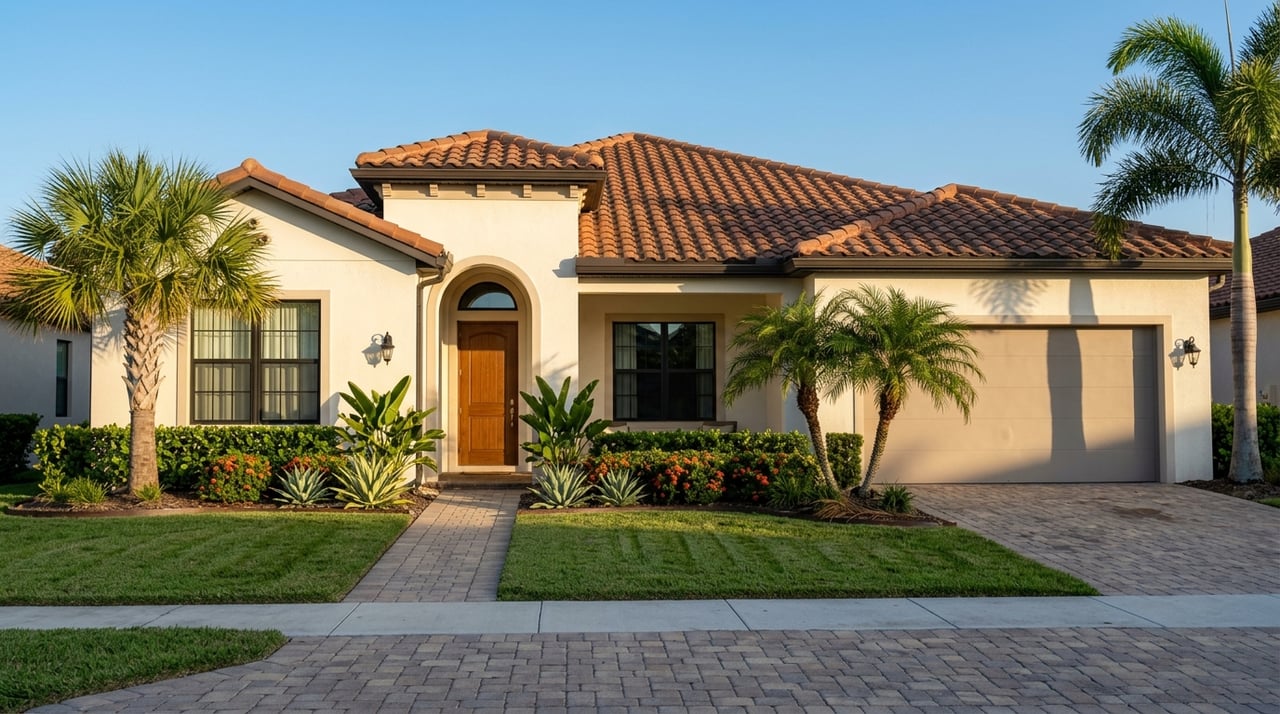
Tampa is not one-note, and that is one of its biggest strengths. The city describes its neighborhoods as ranging from active multi-family communities on the downtown waterfront to more relaxed single-family detached areas under grand oaks. Buyers can find both bungalows and condominiums near parks, which gives you a wide range of lifestyle options.
Hyde Park is known for historic homes from the 1920s and 1930s near Bayshore. Old Seminole Heights is described as a tree-shaded area with restored early-1900s bungalows. Davis Islands mixes residential and retail uses with parks, green space, and water views, while North Hyde Park blends older cigar-factory structures and cracker-style homes with newer construction.
Tampa Heights Riverfront is another area that reflects the city’s evolving housing story. The city describes it as moving toward a premier waterfront mixed-use community, with redevelopment tied to Armature Works, Pearl Apartments, Heights Union, and a Sprouts grocery store. For buyers who want a more connected, mixed-use setting, that kind of area may stand out.
The key takeaway is simple: where you live in Tampa can shape almost everything from your commute to your weekends. That is why neighborhood fit matters just as much as home size or price point.
Climate and Seasonal Realities
Tampa’s climate is a major part of daily life. NOAA’s 1991 to 2020 normals for Tampa International Airport show an annual mean temperature of 74.5°F. Summer highs average around 91°F in July and August, while winter highs stay in the 70s.
You should also expect humidity, regular summer rain, and afternoon storms. Annual precipitation is 49.48 inches, with the wettest months in summer. In practical terms, that means many residents plan around the heat, keep an eye on the forecast, and shift outdoor plans earlier or later in the day.
Hurricane season is also part of living in Tampa. NOAA says the Atlantic hurricane season runs from June 1 through November 30, and the City of Tampa advises residents to make a plan, create a kit, and sign up for Alert Tampa. It is a normal part of local life, and being prepared matters.
So, What Is It Really Like to Live in Tampa?
Tampa offers a mix that can be hard to find in one place. You have real job centers, a growing urban core, established residential areas, strong waterfront recreation, and an active cultural calendar. At the same time, your day-to-day experience will depend heavily on your location, your commute, and the lifestyle you want most.
For some people, Tampa feels energized and connected. For others, it feels more relaxed and neighborhood-driven. That balance is part of what makes the city appealing to a wide range of buyers, whether you want to be near downtown activity, tree-lined residential streets, or waterfront views.
If you are thinking about making a move, the best next step is to match your goals with the part of Tampa that fits them best. If you want local insight on neighborhoods, commute patterns, and the lifestyle differences that matter most, KT Tershowski is here to help you move forward with confidence.
FAQs
What is the overall lifestyle like in Tampa, Florida?
- Tampa offers a mix of city living, waterfront recreation, neighborhood variety, and year-round events, with daily life shaped a lot by where you live and commute.
Is Tampa, Florida, a good city for commuting?
- Tampa’s mean commute time is 24.8 minutes, and while it is still largely a driving city, transit options like HART routes and the TECO Line Streetcar can be useful in certain areas.
What are some popular areas to spend time in Tampa?
- Downtown, the Riverwalk, Westshore, Ybor City, Bayshore Boulevard, and parks like Curtis Hixon, Julian B. Lane, and Water Works are major activity areas.
What types of homes can you find in Tampa neighborhoods?
- Tampa includes a range of housing styles, including condominiums, bungalows, historic homes, mixed-use communities, and single-family homes in more established residential areas.
What is the weather really like in Tampa throughout the year?
- Tampa is warm and humid, with summer highs around 91°F, winter highs in the 70s, regular summer rainfall, and hurricane season running from June 1 through November 30.